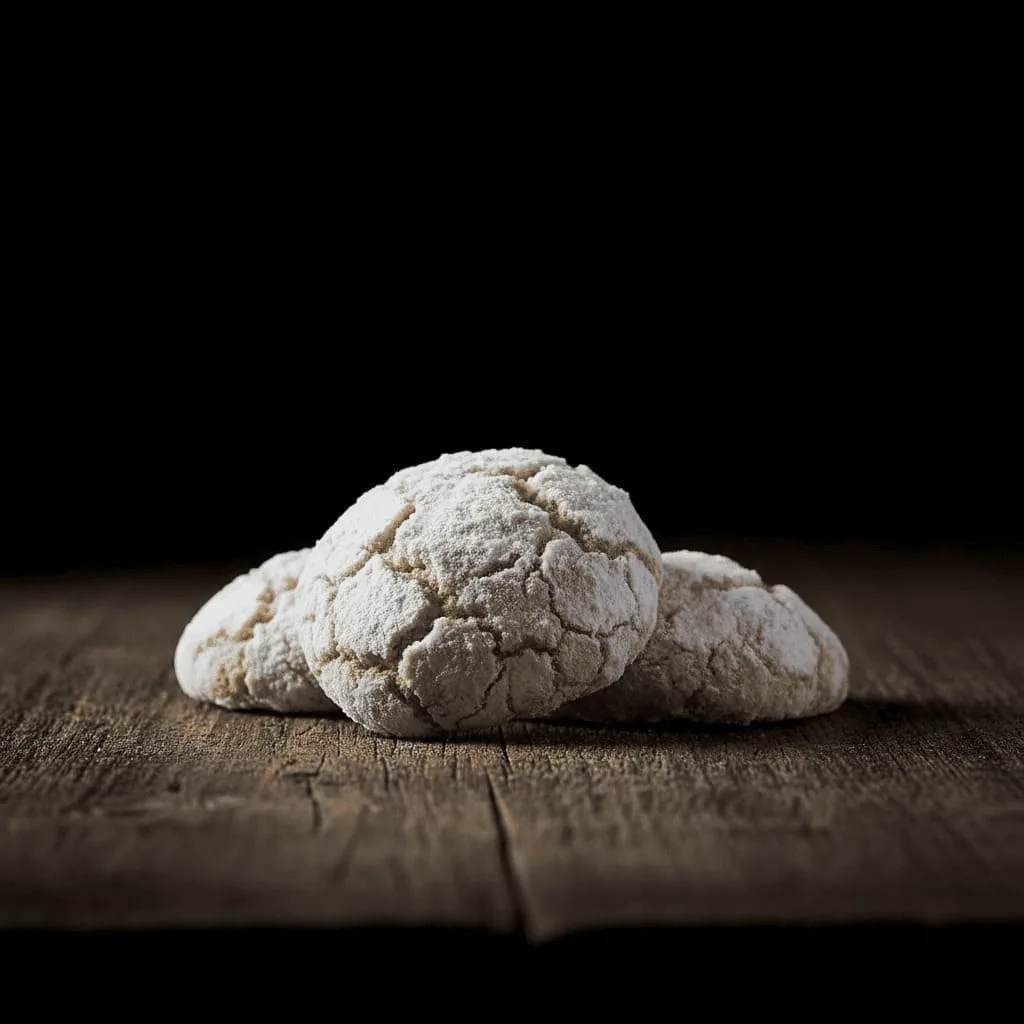
Woods, pastures, convents and patient hands. The confectionery of the Nebrodi is not a recipe book: it is the way a mountain tells its own story.
A mountain confectionery
The Nebrodi are the greenest mountain range in Sicily: they run along the northern side of the island, between the Tyrrhenian Sea and Etna, and they guard the largest natural park in Sicily. It is a land of woods, pastures and slow rhythms, where shepherding has marked the passage of life for centuries.
Pastry-making here springs from two intertwined roots. The first is peasant and pastoral cuisine, made from whatever the larder offered: dried fruit, honey, grape must, ricotta. The second is that of the convents: much of the great Sicilian pastry tradition was born within the walls of the monasteries, where the nuns guarded the most refined recipes and sold their sweets to the outside world to support their communities.
The ingredients of a land
To understand the sweets of the Nebrodi you have to open their larder. At its heart is the almond, queen of Sicilian pastry, reduced to a paste or chopped into the doughs. Beside it, the honey of the Nebrodi, often produced by the Sicilian black bee, a native variety that carries the scents of the woods and the mountain flowers into the jar.
Then there is the Nebrodi Hazelnut, recognised as a traditional agri-food product, sweet and fragrant; the fresh sheep’s-milk ricotta, the base of many creams; and the grape must, which becomes cooked wine and accompanies the sweets of the harvest. To complete the picture, dried figs, candied citrus peel and cinnamon: small things that, together, make an identity.
The sweets that tell of the Nebrodi
From this larder come artisan masterpieces. The Pasta Reale of Tortorici and the almond pastes, soft and fragrant. The buccellati (the cucciddati), rings filled with dried figs, almonds, chocolate and citrus peel, indispensable at Christmas. The rametti, the cuddureddi of the Easter tradition and the nzuddi, the almond biscuits tied to the province of Messina.
They are sweets different from one another, yet children of the same land: the shape and the occasion change, but the almond, the honey and the patience remain.
The season of feasts
In the Nebrodi the calendar dictates the larder. At Christmas the filled buccellati fill the air with their scent; at Easter the cuddure cull’ova return, with their eggs in odd numbers; for the Feast of the Dead and in autumn it is the turn of the nzuddi and the almond sweets. Every sweet has its season, and every season its sweet.
It is in this tradition that our roots run deep. We were born in Tripi-Abakainon, in the heart of the Nebrodi, and we work with the same larder as always: simple ingredients, slow times, and the authentic taste of a land that is in no hurry.

