There is a thread that ties a crown-shaped biscuit to the Sicel city that sleeps beneath the hills of Tripi. We followed it all the way to the end.
A crown of dough
Before it was a recipe, the cuddura was a shape: a ring, a doughnut, a small crown. And it is from there that its name comes, from the ancient Greek κολλύρα (kollyra), which means precisely “crown”. It is a sweet — but also a bread — found all over Southern Italy, in a thousand sweet and savoury variations.
Its shape, so decorative today, was once pure practicality: the ring could be slipped onto a staff or an arm, and shepherds and travellers carried it with them on their long journeys. Some trace the cuddura all the way back to the Roman buccellatum, the ring-shaped bread that accompanied the soldiers. A food for walking, for provisions, for the road: born to last.
From Abakainon to Tripi
Tripi is a small village, perched between the Nebrodi and the Peloritani mountains, in the province of Messina. But beneath its plateaus sleeps a far more ancient city: Abakainon, a Sicel centre whose origins date back to around 1100 BC, later Hellenised and finally Romanised under the name Abacaenum.
It was a flourishing city, inhabited by aristocrats, with its own mint: it struck silver and bronze coins from the 5th to the 3rd century BC. On many of them appears a wild boar next to an acorn — a tribute to the dense woods that surrounded the city in those times. Of that greatness there remain the monumental necropolis of the Cardusa district and the artefacts kept in the Santi Furnari Archaeological Museum, opened in Tripi in 2012.
In June 2025, following a referendum, the municipality officially took the name Tripi-Abakainon: a way to tie the present back to the ancient, and to remember those who had inhabited that land first. The people of that city had a name: the Abaceni.
In the hands of women
The cuddure were never merely food. At Easter they become cuddura cull’ova: a sweet that encloses one or more whole eggs, still in their shells, held in place by braids of dough — and always, strictly, in an odd number. Young women would give them to their sweethearts on the day of the Resurrection, sometimes shaping them like a heart, sometimes like a bell tower (campanaru), a little basket (panaredu) or a dove.
Then there are the filled cuddureddi — with dried figs, almonds, citrus peel and cinnamon — and those cooked in grape must, tied to the time of the harvest. A sweet that measures the seasons and the rites, so much so that it entered the proverbs: “nun c’ha prumettiri voti ê Santi e mancu cuddureddi ê picciriddi”, do not promise vows to the saints nor little rings to children, because certain promises are not kept.
Why we call them Abaceni
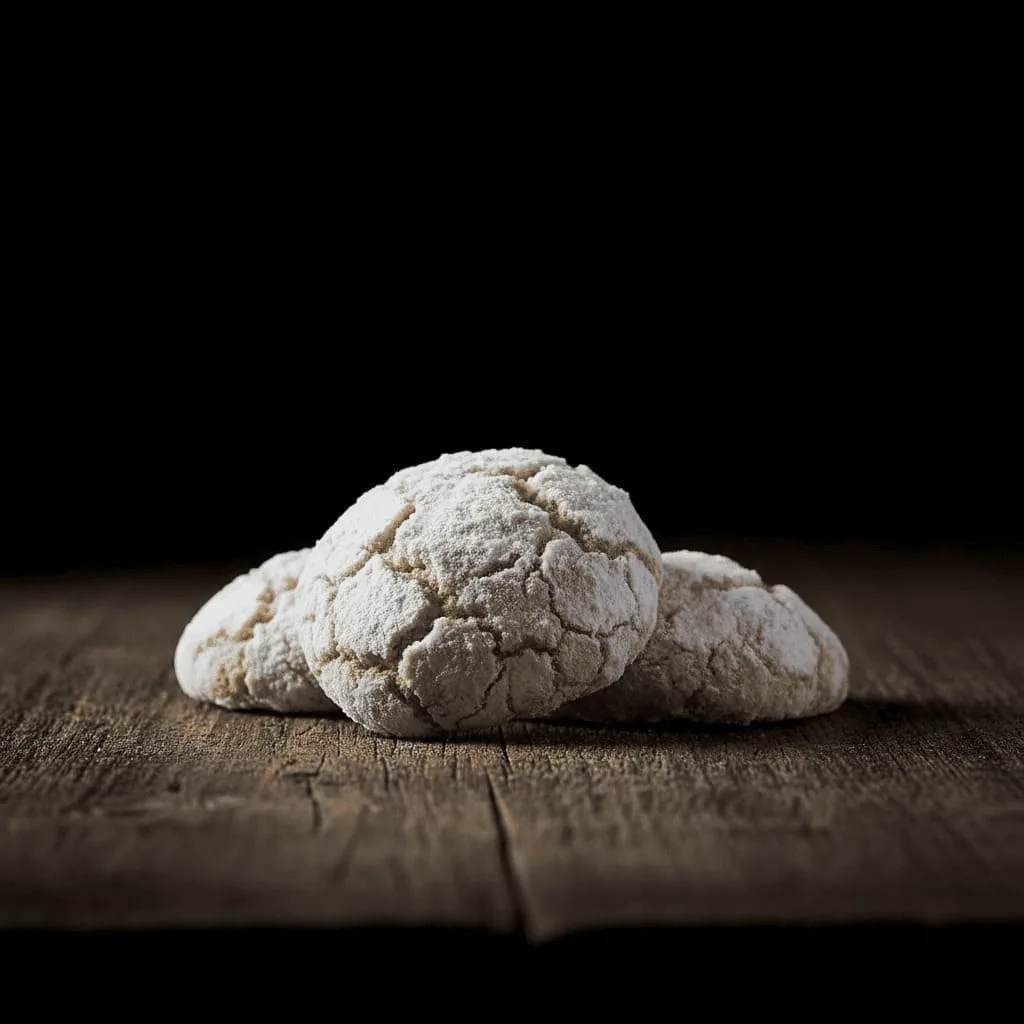
Here we call the cuddure Abaceni. It is not just a name: it is a tribute to those who inhabited this land twenty-five centuries ago. The hands are the same, the slowness is the same, and the ingredients remain those of always — almonds, honey, choice flours, nothing more.
Every Abaceno that comes out of our oven brings a piece of Tripi to the table: the shepherds’ crown, the travellers’ bread, the young women’s Easter promise. And, beneath it, the long breath of Abakainon.

